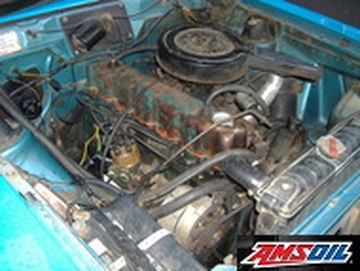
Maintaining Lubrication Standards for the 1981 Jeep CJ-7 2.5L
Proper engine care for a vehicle like the 1981 Jeep CJ-7 involves more than just periodic fluid changes; it requires a disciplined approach to monitoring the mechanical health of the 2.5L engine. Because older vehicles often experience changes in how components seal and operate over decades, maintaining a consistent service routine is essential for long-term stability.Monitoring Fluid Integrity and Potential Seepage
One of the most effective ways to monitor the condition of an engine is through regular visual inspections of the lubrication system. For a 1981 Jeep CJ-7, this means looking for any signs of fluid seepage around various gaskets and seals. It is important to note that finding a small amount of residue does not always indicate a critical failure, but it does warrant closer observation. When performing an inspection, look for:- Evidence of oil weeping from sealing surfaces.
- Accumulations of grime or dirt that may be trapping leaked fluid.
- Changes in the color or consistency of the lubricant when checked via the dipstick.
Managing Maintenance Records and Baselines
For owners of a 1981 Jeep CJ-7, establishing a maintenance baseline is a highly effective strategy for long-term ownership. If the vehicle's service history is unknown or incomplete, the first priority should be to document every subsequent service, including the specific lubricants used and any parts replaced. A well-maintained logbook allows you to distinguish between normal aging and unexpected changes in engine behavior. For example, if you have a clear record of how much oil the 2.5L engine typically uses over a six-month period, you will be able to identify immediately if consumption rates begin to climb. This data-driven approach helps prioritize maintenance tasks, allowing you to address active concerns—such as a developing leak or an aging belt—before they escalate into more complex mechanical issues. When reviewing previous repair history, pay close attention to any work performed on the cooling system or electrical connections. Ensuring that these systems are in good condition supports the overall stability of the engine environment.Observing Operational Warning Signs
While many maintenance tasks are proactive, being able to recognize when an engine requires immediate attention is vital. For the 1981 Jeep CJ-7, certain symptoms should never be ignored. If you notice unusual mechanical noises during startup or while idling, it may indicate that lubrication levels or qualities are not meeting the engine's needs. Other indicators include:- Changes in exhaust characteristics that might suggest internal changes.
- The appearance of warning lights on the dashboard, if equipped.
- Evidence of overheating, which can rapidly degrade the chemical properties of the engine oil.
Inspecting Auxiliary Components
Beyond the core lubrication system, other engine-adjacent components require regular attention to ensure the 2.5L engine operates within its intended parameters. If equipped, accessible drive belts should be inspected for signs of deterioration such as cracking, glazing, or fraying. Similarly, if the vehicle is equipped with various hoses, checking them for softness, bulging, or leaks can prevent secondary issues that might affect engine temperature and oil stability. Electrical connections and wiring also benefit from periodic inspection. Ensuring that connectors are clean and secure helps prevent erratic sensor readings or ignition issues that could impact how the engine runs under load. By combining these general inspections with your specific lubrication service, you create a comprehensive view of the vehicle's mechanical health.Practical Strategies for Long-Term Ownership
As a 1981 Jeep CJ-7 ages, maintenance priorities often shift from simple part replacement to condition-based monitoring. Instead of following arbitrary age-based schedules, focus on the actual state of the components. This means inspecting aging materials based on their physical condition rather than simply assuming they are worn out because of the vehicle's year. Prioritize your efforts by addressing active leaks or any observed changes in fluid consumption first. Once the engine is stabilized, you can move toward preventive measures, such as cleaning electrical connectors or replacing belts that show early signs of wear. This methodical approach ensures that maintenance funds and time are directed toward the areas that provide the most significant benefit to the vehicle's continued operation.Buying Engine Oil for your 1981 Jeep CJ-7 2.5L
When it is time to replenish the lubrication in your engine, the most important step is to ensure the product matches the specific requirements of your application. Do not rely on general automotive knowledge or assumptions based on the age of the vehicle to select a grade. Instead, match the engine oil to the application-specific viscosity information already displayed on this page. When shopping for products, consider the following:- Verify that the oil meets the appropriate API certification listed in your documentation.
- Check product labels carefully to ensure the viscosity matches what is required for your 2.5L engine.
- Evaluate different formulations, such as conventional, synthetic blends, or high-mileage oils, based on the specific guidance provided in your application information. Some high-mileage oil formulations contain additives intended for use in aging engines, including seal-conditioning additives.